Lethaby Gallery
Central Saint Martins
Interplanetary Melody is a virtual reality–based speculative ecological narrative, presented as part of Human Resources: Creativity as Renewable Energy in a Time of Scarcity during the London Design Festival 2022.
The project tells the story of an ancient lake—Lake Chad—travelling hundreds of thousands of kilometres to help an endangered “other”: the Amazon rainforest. This journey connects landscapes inhabited by species bound through mutual relationships and their shared agency to co-create their environments, underscoring both the tenacity of life and the fragility of seemingly permanent ecosystems.
The narrative begins with one of the earliest and smallest life forms on Earth—diatoms—morphing into dust that enables life to bloom elsewhere, and culminates in the extraordinary interdependence between termites and elephants.
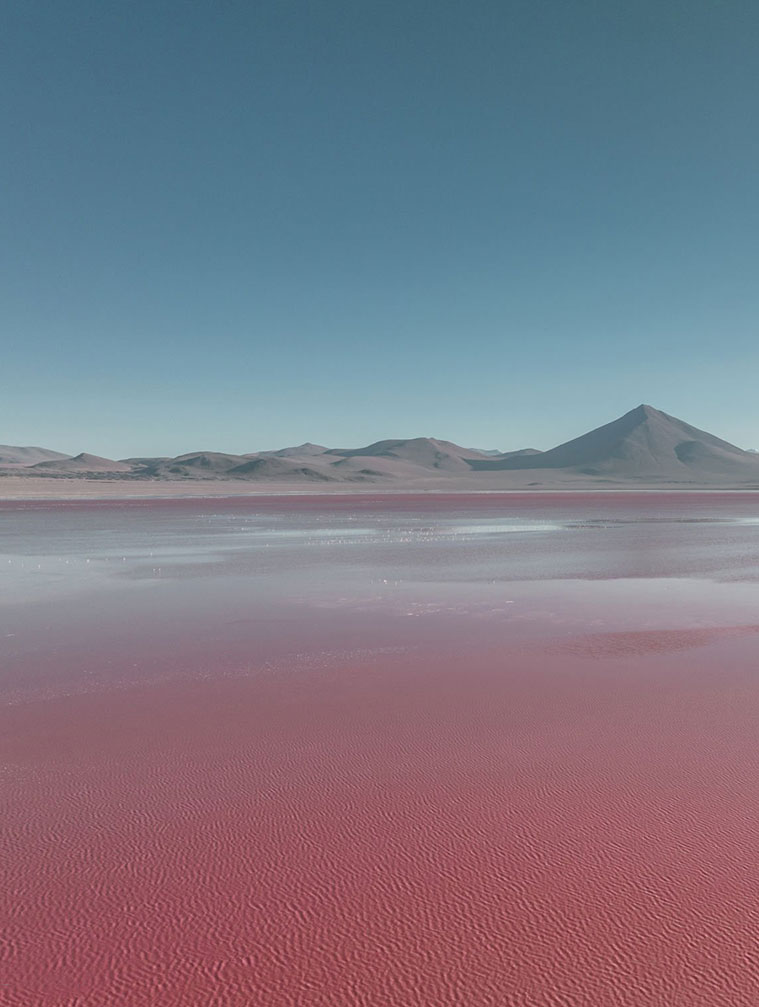
Mega Lake Chad (speculative representation, informed by Andean salt lakes)
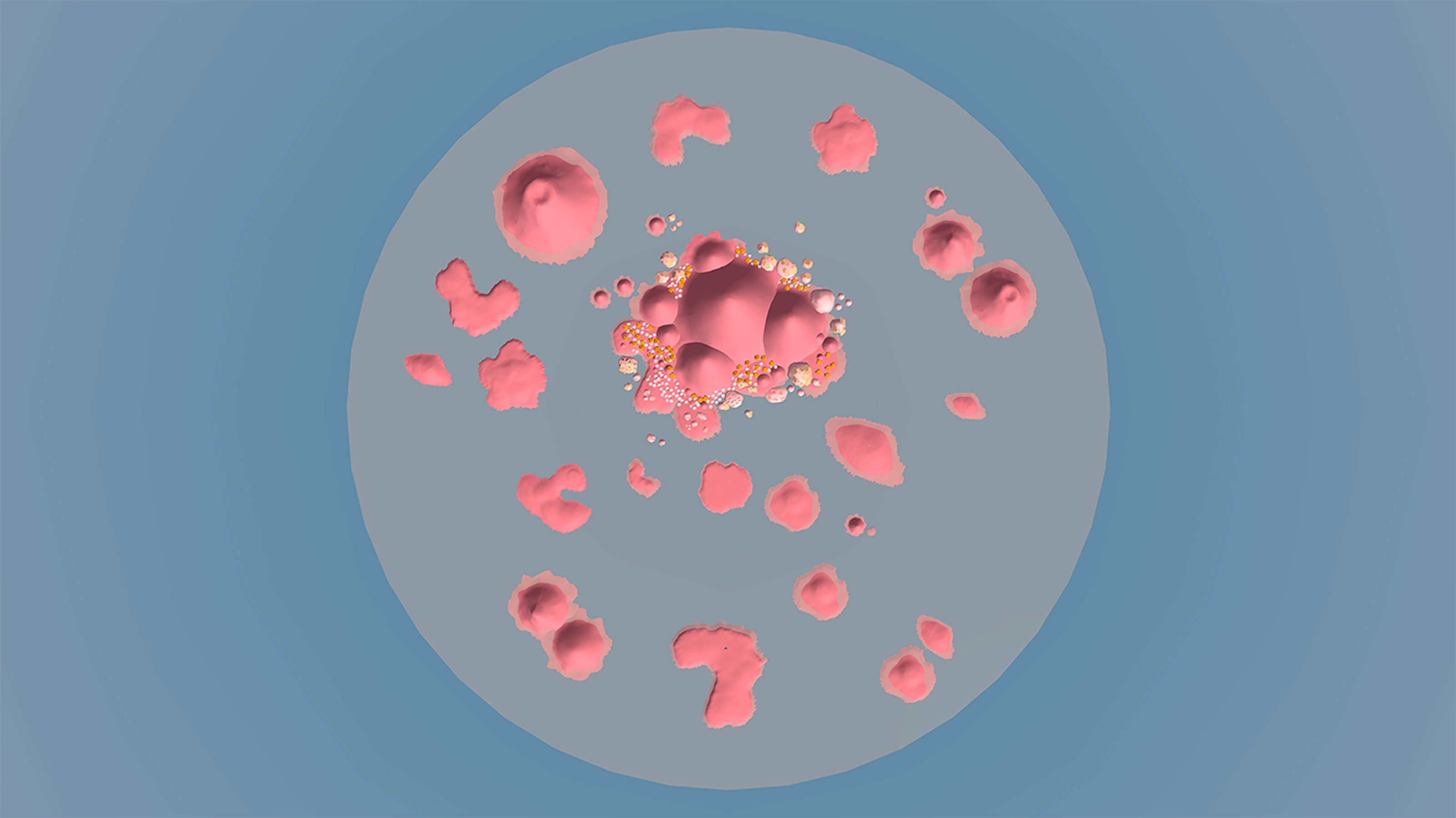
Mega Lake Chad, aerial view (speculative representation)
Storytelling and Ecological Engagement
Storytelling has long served as a fundamental mode through which human cultures produce, transmit, and interpret knowledge. Beyond its narrative or aesthetic dimensions, storytelling enables forms of emotional and cognitive engagement that shape how individuals relate to one another and to complex systems beyond direct experience.
From a psychological perspective, narrative engagement operates through mechanisms of immersion and identification, whereby audiences temporarily inhabit alternative viewpoints and experiential frames. Research suggests that such processes can enhance empathetic understanding. When complex climate science is translated into narrative structures, information is often received in more personal and affective ways, increasing engagement and fostering conditions for reflection and potential behavioural change in relation to environmental issues.
Video excerpt, Interplanetary Melody
It begins in the land of lakes, around 2.5 billion years ago. Once one of the largest freshwater bodies on Earth, Lake Chad extended across much of northern Africa. With its floating islands, the lake functioned as an oasis of life, sustaining a wide range of species—from large mammals to vast communities of migratory birds.
Beneath the surface, plants, algae, and microorganisms thrived, supporting fish and other aquatic life forms. These organisms coexisted as a dynamic assemblage, collectively shaping and sustaining their environment as a living system.
Dust DreamsIn a remote and arid region of the Sahara Desert—once part of Lake Chad—lies the Bodélé Depression. Rivers, wetlands, and shallow lakes once expanded across this landscape during the period known as the Green Sahara, creating warm, fertile conditions in which grasses, trees, algae, and microorganisms flourished. Among them were diatoms, microscopic organisms ubiquitous to aquatic systems.
As the Sahara gradually dried, the former lakebed became rich in siliceous remains. During the winter months, strong winds generated by differences in atmospheric pressure funnel through surrounding mountain ranges, lifting vast quantities of fine dust into the air.
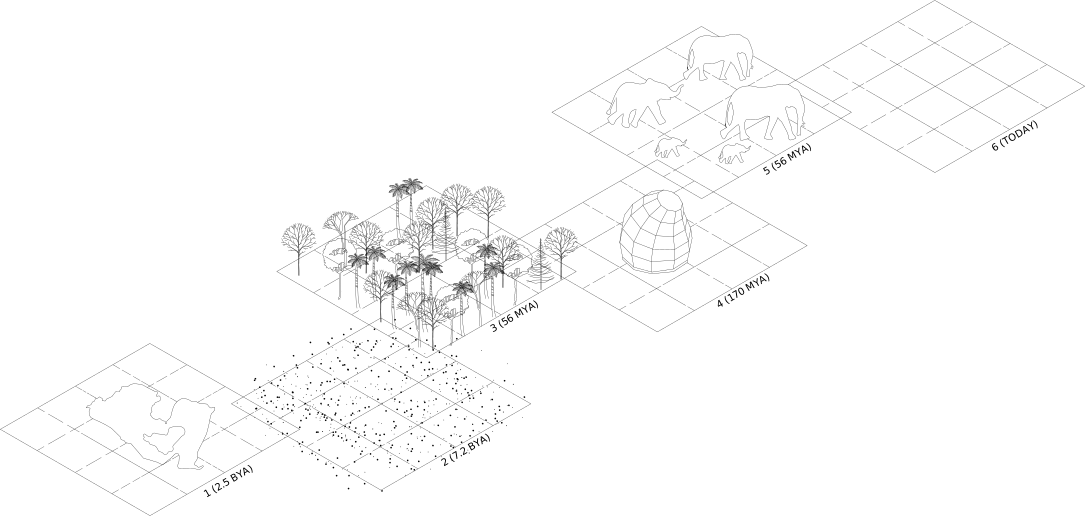
Geological and ecological stratification diagram.
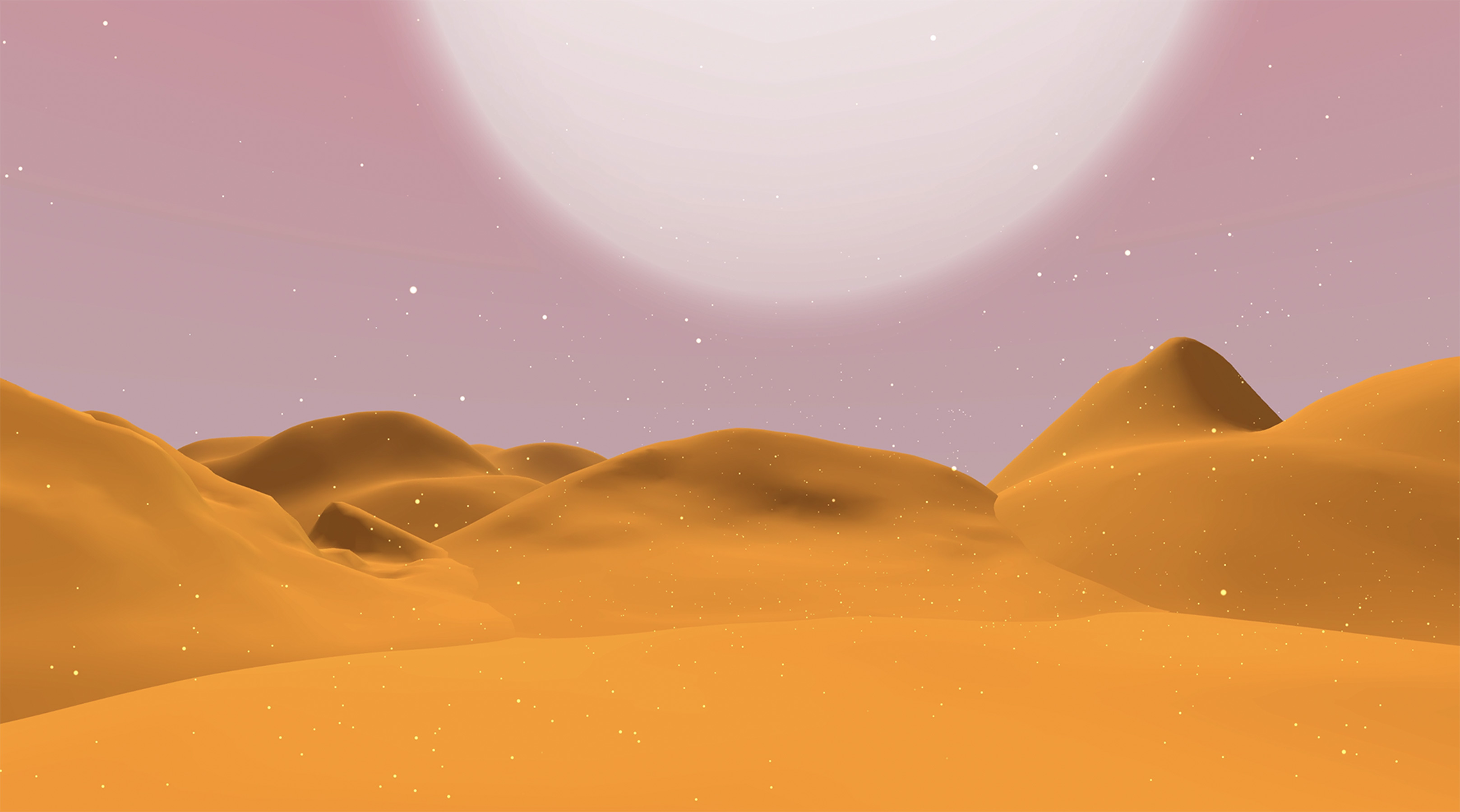
Saharan Desert, Bodélé Depression (speculative representation)
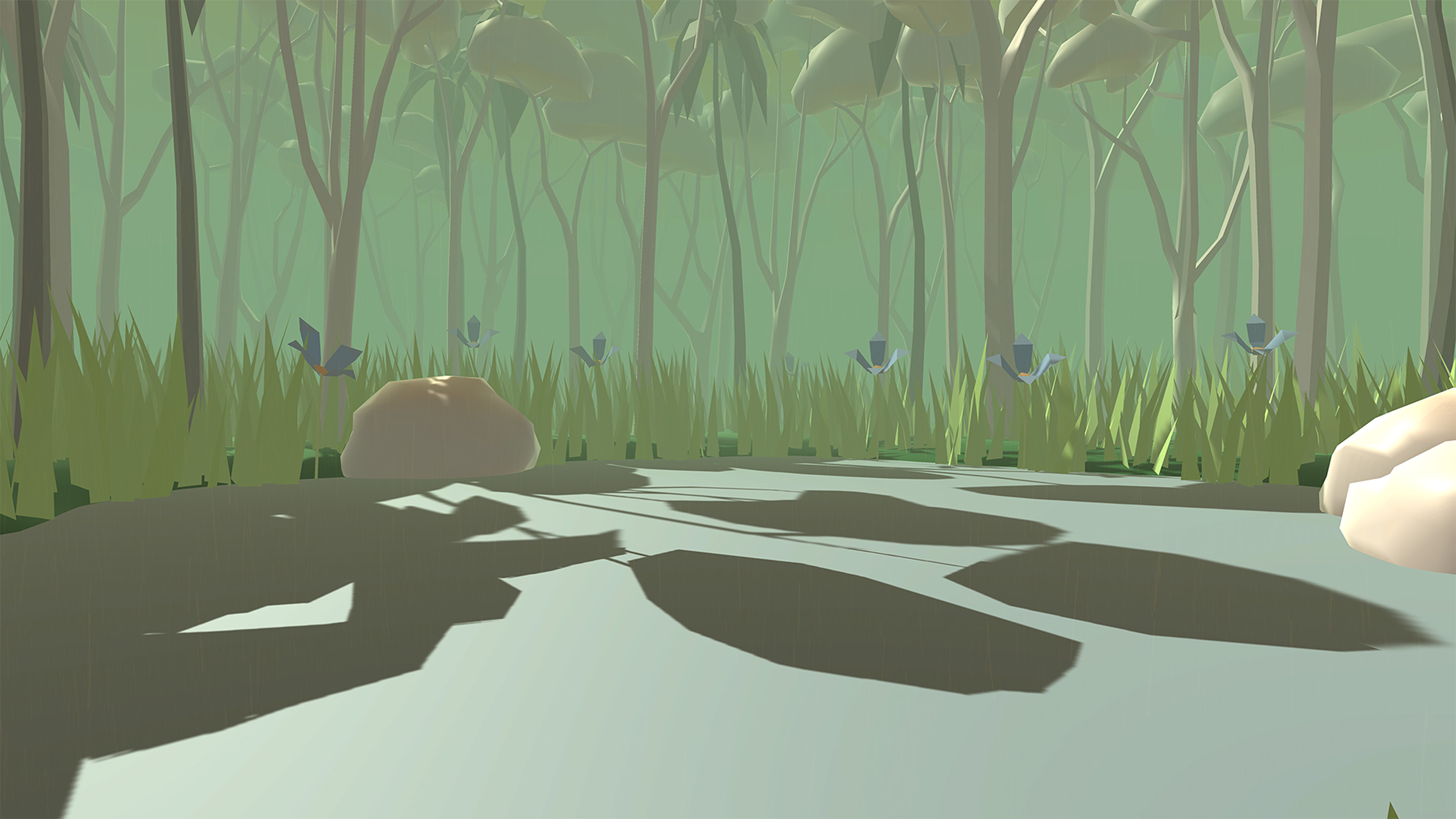
Amazon Rainforest (speculative representation).
The Amazon rainforest, despite its apparent abundance, exists in a state of permanent nutrient deficit. Heavy tropical rainfall continually washes minerals from the soil, leaving ecosystems dependent on external sources of replenishment. This nourishment arrives through the long-distance aerial transport of silica-rich dust from the Sahara, carried thousands of kilometres across the Atlantic.
Two landscapes—one marked by fertility and coexistence, the other by aridity and desolation—remain separated by an ocean, yet connected through atmospheric circulation. In this exchange, the Sahara appears to whisper to the Amazon, recalling a shared geological past that once united continents within Pangea.
Termites: Guardians of the SoilIn the Amazon, communities of termites play a vital role in maintaining soil stability during the rainy season. As leaf litter and organic debris accumulate on the forest floor, termites act as decomposers, processing surface material and redistributing nutrients.
Through burrowing, termites create networks of micropores that allow rainwater to penetrate deep into the soil, reducing evaporation and erosion while improving nutrient retention. Their mounds—some reaching up to ten metres in height—are among the largest structures built by non-human species.
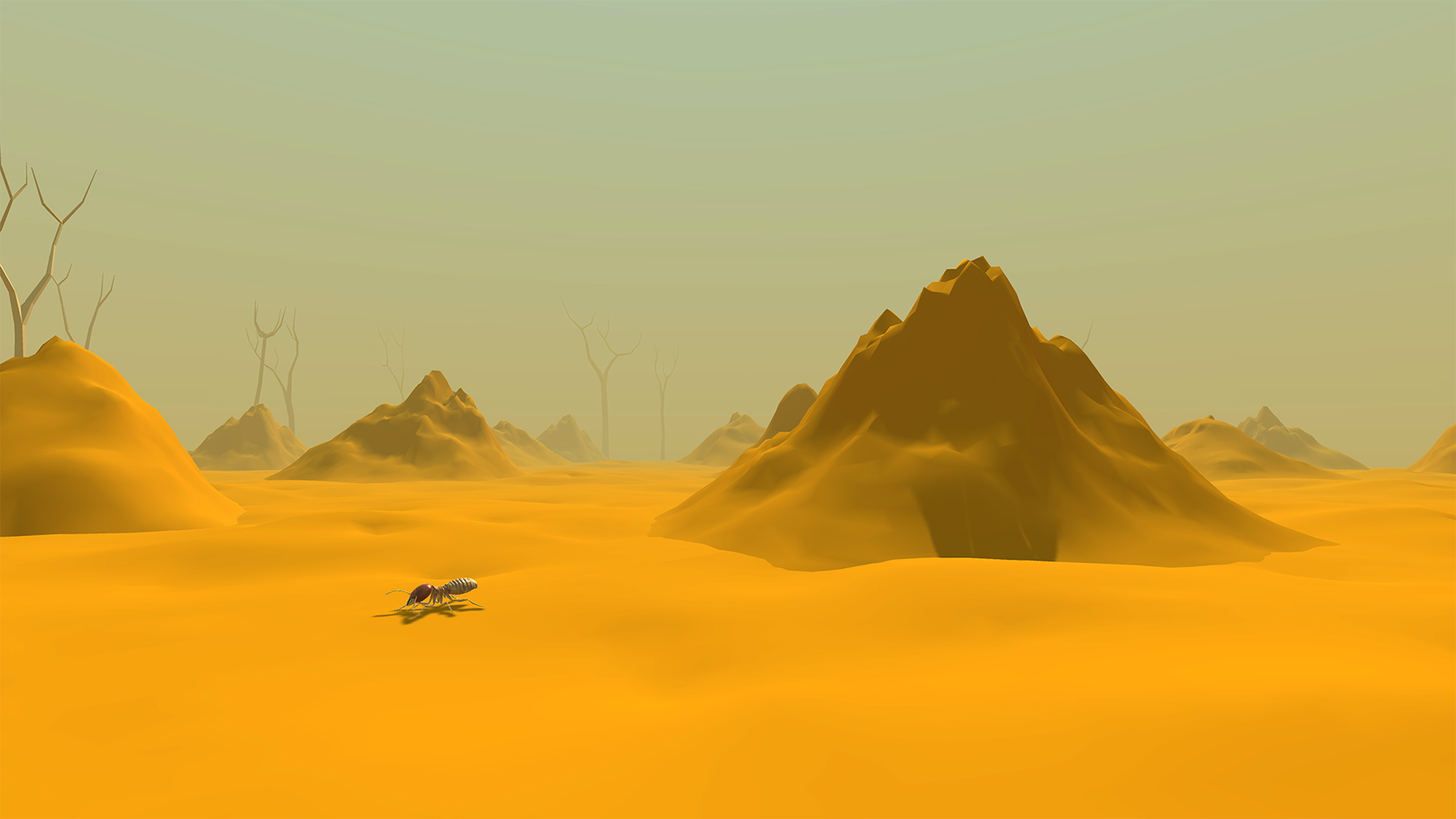
Caatinga biome, Brazil (speculative representation).
While termite colonies may persist for decades, their mounds often outlast them by centuries. As wind and rain erode these structures, clay-rich remnants remain embedded in the landscape. These remnants become sites of renewed ecological activity, offering shelter and resources to a range of species.
Among these relationships, the bond between termites and elephants is particularly striking. Elephants are drawn to abandoned termite mounds for their mineral-rich clay. During rainfall, the clay transforms into mud, which elephants use to regulate body temperature and protect their skin. Over time, repeated wallowing forms depressions that evolve into water-filled basins, supporting new habitats for other species.
Biome ChangeEcological communities often give the impression of stability, yet they persist only as long as the conditions that sustain them remain intact. Changes in temperature, rainfall, acidity, or seasonality can destabilise these systems, prompting migration, adaptation, or disappearance. Some environments shift across landscapes; others vanish entirely.
Such transformations do not always result in ecological collapse. Instead, they may give rise to new assemblages of species and landscapes. Along its passage, the jet stream grinds diatom remains into fine dust—an estimated 180 million tons annually—lifting these particles into the atmosphere and depositing them in the Amazon rainforest, where they once again enable life to flourish.
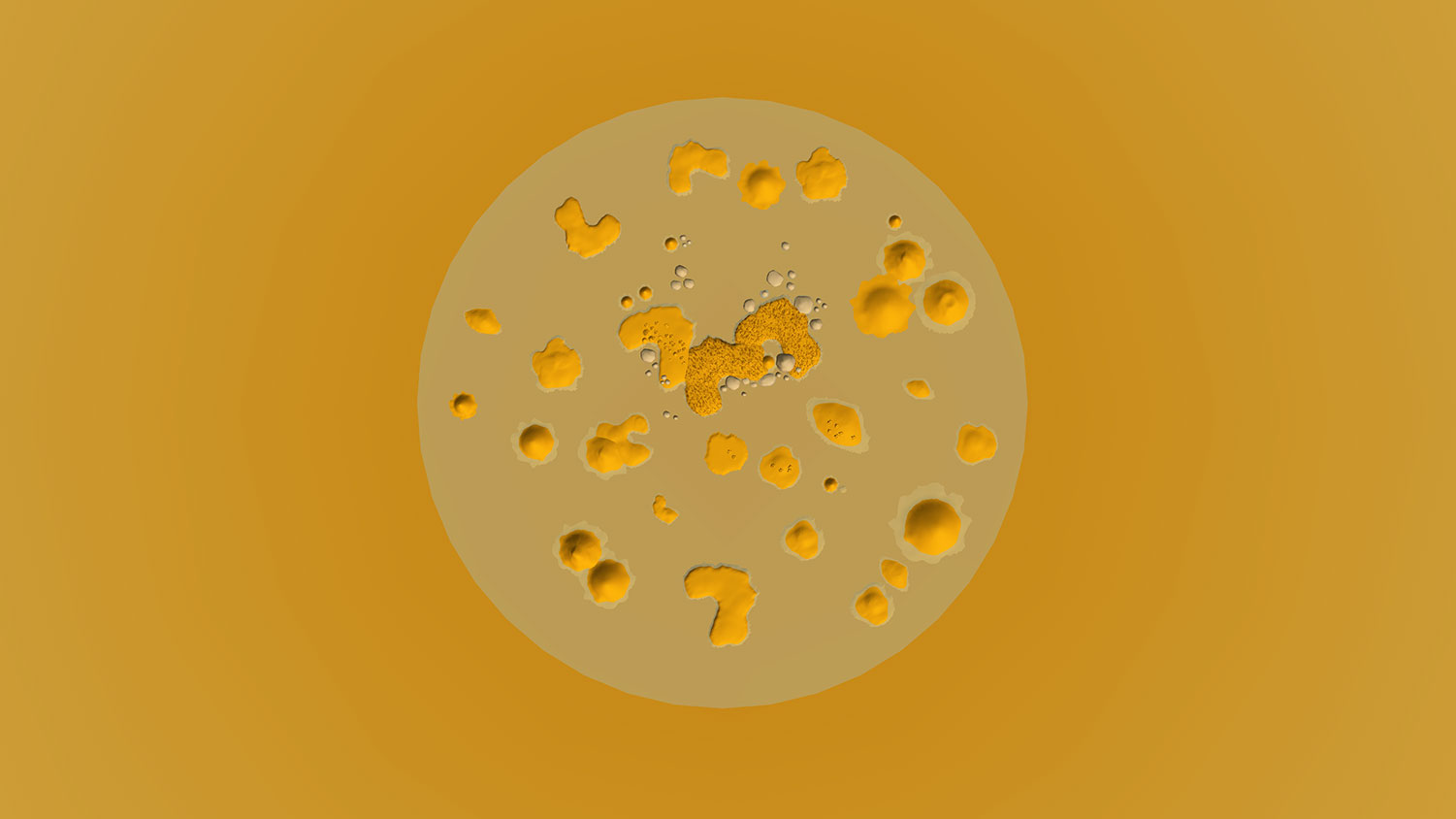
Caatinga biome, Brazil, aerial view (speculative representation).

Color narrative.
Credits & Collaborators
Collaborators
Prof. David Sillam-Dussès
Edwin Rios
Justine De Penning